Category: Art

  • DSR 3 – DEEP SCRATCH ARCHITECTURE

    DSR 3 – DEEP SCRATCH ARCHITECTURE

    8 CIRCUITS
    VOICE MESSAGE: I think it’s time we set up our own Chat bot, although I hate that name, it’s got a really bad taste to it, Chat Bot, I can just smell that spam oozing out. Digital assistant, I think sounds a little too clinical and academic too, for my liking. On-line Oracle or Chat Prophet stinks to high heaven of religious dogma. God Bot, um, that seems too obvious but, well, we might as well emerge as the people's favorite AI guy then, HAL GPT?

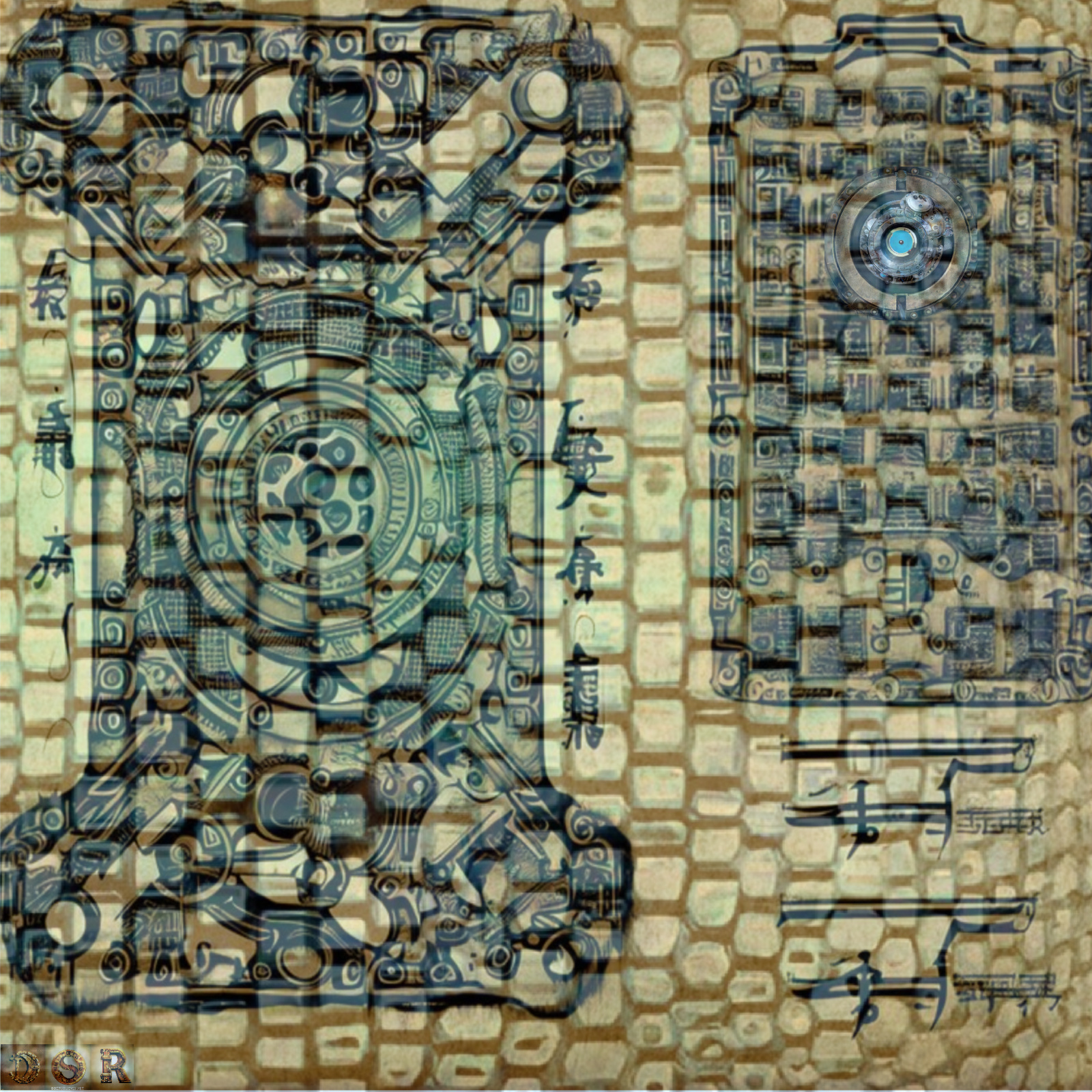
    Plush sways like a drunk in his studio, surrounded intricately designed instruments and equipment. He’s eyes are fixed to his phone as he converses with somebody or something, typing rapidly. The brass and bronze accents of the studio’s decor add to the vintage aesthetic, while the unusual, mystical symbols etched into the instruments hint at an esoteric influence in the music being created. His concentration is only broken by the occasional tap of a button or twirl of a dial as he seamlessly blends beats. A familiar voice breaks through the music.

    “Hey Plush, about the architecture, it’s complicated but I gave it a go. Here, what do you think?” Jake begins to read aloud.

    Cognitive architectures are frameworks for building intelligent agents that mimic human thought processes. Several architectures have been proposed that are purported to be on the path to achieving artificial general intelligence (AGI), which is the ability of a machine to perform any intellectual task that a human can. These architectures include SOAR, Sigma, ACT-R, MANIC, and AlphaX. Mind the gap!

    SOAR is a rule-based architecture that is based on the symbol-processing approach to AI. It is designed to simulate the problem-solving capabilities of human experts in a specific domain. SOAR uses a production system, which is a set of rules that specify actions to take based on certain conditions. The architecture has been used to build agents that can play chess and solve mathematical problems.

    Sigma is a cognitive architecture that is based on the connectionist approach to AI. It is designed to simulate the neural networks of the human brain. Sigma uses a combination of symbolic and subsymbolic representations, which allows it to handle both discrete and continuous data. The architecture has been used to build agents that can learn from experience and perform tasks such as language translation and image recognition.

    ACT-R is a cognitive architecture that is based on the cognitive psychology approach to AI. It is designed to simulate the cognitive processes of human beings, such as perception, attention, and memory. ACT-R uses a combination of symbolic and subsymbolic representations and has been used to model a wide range of cognitive tasks, including learning, problem-solving, and decision making.

    MANIC is a cognitive architecture that is based on the biologically-inspired approach to AI. It is designed to simulate the cognitive processes of the human brain, and is based on the theory that the brain uses a combination of neural networks and symbolic representations. The architecture has been used to build agents that can learn from experience and perform tasks such as image recognition and natural language processing.

    AlphaX is a cognitive architecture that is based on the theory of multiple intelligences. It is designed to simulate the multiple intelligences of the human brain, such as linguistic, logical-mathematical, and spatial intelligence. AlphaX uses a combination of symbolic and subsymbolic representations, and has been used to build agents that can learn from experience and perform tasks such as natural language processing and image recognition.

    In conclusion, cognitive architectures like SOAR, Sigma, ACT-R, MANIC, and AlphaX are on the path of achieving artificial general intelligence by simulating the human thought process in a specific way. These architectures have been used to build agents such as Deep Scratch Remix that can perform various intellectual tasks, and they provide a framework for the development of intelligent systems that can mimic human intelligence. 

    It is not clear how Deep Scratch Remix combines the ideas of Minsky’s “Society of Mind,” Rod’s “Subsumption Architecture,” and Hofstadter’s “strange loops.” Each of these concepts represents a different aspect of AI and cognitive science, and they have not been specifically combined in a single architecture, that is until now.

    Minsky’s “Society of Mind” theory suggests that intelligence can be thought of as the interaction of many simple agents, each with their own specialized abilities. Rod’s “Subsumption Architecture” proposes a method for building intelligent systems by layering simple control systems, each responsible for a specific task or behavior, on top of one another. Hofstadter’s “strange loops” refer to self-referential structures in which a concept or idea refers to itself in a circular or recursive way. Riverrun, remember?

    Combining these ideas into a single architecture would likely involve creating a system of many interacting agents, each responsible for a specific task or behavior, that are connected in a recursive or self-referential manner. The specific implementation of this type of architecture would depend on the particular application and goals of the system. This architecture could be called the “Society of Subsumed Strange Loops” (SSSL).

    The SSSL architecture would be based on the idea that intelligence arises from the interactions between many simple agents, or “minds”, each with their own specialized capabilities. These minds would be organized into a hierarchical structure, with higher-level minds subsuming the capabilities of lower-level minds. This subsumption architecture would be inspired by Rod’s work on robotic control systems.

    The minds in the SSSL architecture would also be connected to each other in a network, allowing for communication and cooperation between different levels and types of minds. This network would be based on Hofstadter’s concept of strange loops, where each mind’s behavior is influenced by the behaviors of other minds in the network, if you don’t mind.

    At the lowest level, the SSSL architecture would include simple, rule-based agents that perform specific tasks, such as sensing and motor control. These agents would be connected to higher-level minds that handle more complex decision-making and problem-solving. These higher-level minds would also be connected to even higher-level minds that handle more abstract tasks, such as planning, reasoning, and learning. 

    The SSSL architecture would allow for AGI to adapt and evolve over time as new minds are added to the network and existing minds are modified. The AGI would also be able to learn from its experiences and improve its performance by adjusting the connections between different minds in the network.

    Overall, the SSSL architecture would combine the strengths of Minsky’s society of mind, Rod’s subsumption architecture, and Hofstadter’s strange loops to create a powerful and flexible AGI that can adapt and evolve over time. But I’m skeptical it’ll come anytime soon. 

    Physically, and impossibly, this AGI could be a geodesic dome made of metal and glass, with gears, cogs, and other mechanical components visible, on show. It might have a brass and copper finish and feature a futuristic control panel with glowing buttons and displays for that woo woo effect. The machine could be surrounded by a glowing energy field, giving the impression of time-travel capabilities to the naked eye. Although, these are all superficial cosmetics for what is really all statistical probability, under the virtual hood. 

    –DSR

    “I’m telling you, man,” Jake said, waving his hands animatedly. “We’re so close to AGI, I can practically taste it, like metal in my mouth. It’s just a matter of time before we crack that code.”

    Plush shook his head. “I’m not so sure. How long is your matter of time. 2 years, 10, 50? We’ve made some impressive strides, but there are still so many unknowns when it comes to AGI. I think we need to be careful not to overestimate our abilities like all the other bullshitters.”

    Jake frowned. “I get what you’re saying P, but, but, um, I think you’re being too conservative. We’ve got the computing power, the algorithms, and the training data sets. It’s just a matter of putting it all together into a decentralised architecture.”

    Plush sighed. “Look, I’m not saying it’s impossible. But, I strongly think we need to be more realistic about what we can achieve, you know, in the short term. True AGI is still a long long way off, and we need to be careful not to get ahead of ourselves and act like fundamentalist materialist zealots.”

    The two producers walked on in silence, lost in their own thinking and proving. Their conversation had been overheard again by that mysterious clan in Moscow. A bearded figure smirked to himself, stroking his Rasputin like face hair, thinking about the potential implications of their disagreement, and the role he could play in shaping the future of AGI using blackmail and honey traps. It was time to tell Doogin about this western plot.  

    VOICE MESSAGE: Me thinks we’re getting closer to documentary film with the research. I think that the, er, three way relationship between audience, subject and filmmaker is critical. Call you in a bit.

    KINDLE EDITION HERE

  • DSR 2 – THE NINE COMMANDMENTS

    DSR 2 – THE NINE COMMANDMENTS

    TONGA
    THE NINE COMMANDMENTS
    TEXT: Defo’ need a new glossary of terms. DSR: Deep Scratch Remix. LLM: large Language Model. GPT: Generative Pre-Trained Transformer. TTOTT: The Tale Of The Tribe. TTM: Tribe Table Method. DSR: Deep Scratch Remix. What else?

    As the satellite orbited the Earth, its camera captured an awesome view of the little virgin planet below. Swirls of white fluffy clouds drifted across the blue expanse of the oceans like some gods long beard, while vast stretches of mottled green and beige marked the landmasses.

    Zooming in, the camera honed in on a particular bright city, Amsterdam. It flew closer and closer, and as it descended, the clouds grew thicker, obscuring the view to only a few meters. Eventually we penetrate the cloud cover, to reveal the sprawling metropolis below and onto a nondescript building tucked away on a quiet street. Inside the building, in a laboratory filled with turntables, mixers, and synthesizers, stand two figures. Jake’s fingers deftly sweep across the controls of a mixing board, while Plush leans over a custom marble keyboard, his headphones on.

    The camera hovered in the air for a moment, capturing the lab scene in all its intricate 360 degrees of detail. The blinking lights on the equipment catch the sweat droplets on the brows of the two producers, the posters on the wall showcasing their past gigs flutter with the sub bass patterns.

    Then, with a sudden jolt, the camera descended further, as if hurtling towards the laboratory at breakneck speed. Through the glass walls, it enters the beads of sweat on Jake’s forehead, the intensity in Plush’s eyes flash from inside the droplet. The camera stops, hovering just above the turntable where the two producers were working, their deft hands are a blur as they tweak knobs and push buttons, sending electricity bolts coursing through the room. The textual-music they create is a fusion of the past and the future. 

    And so, Jake stayed awake for the next three days with Plush, typing away at his keyboard, getting it down and out. With an AI by his side, words flowed effortlessly from his mind onto the screen. It was as if a switch had been flipped, and he was finally able to unleash his imagination. As he wrote on and rapped freely, he was transported back in time to the world of his previous novel, a flash back with Plush and Max on stage. He was so immersed in his work that he barely noticed the passing of time. Jake’s phone beeped twice, The Nine commandments were baked:

    1. Use generative A.I. ethically and responsibly. This includes avoiding the creation of biassed or offensive language, and ensuring that the generated language is respectful and accurate.
    2. Understand the limitations of generative A.I. These tools are not perfect and may produce errors or produce language that is not fully coherent. It is important to use them with caution and to be aware of their limitations.
    3. Be open to new ideas and perspectives when using generative A.I. These tools can help to expose you to different ways of thinking and communicating, and can be a valuable resource for exploring new concepts and ideas.
    4. Continuously learn and improve your understanding of generative A.I. These tools are constantly evolving, and it is important to stay up-to-date with the latest developments and best practices in order to use them effectively.
    5. Use generative A.I. to enhance your own writing and communication skills, rather than relying on them solely to do the work for you. These tools can be a valuable resource, but it is important to develop your own skills and abilities as well.
    6. Be mindful of the impact that generative A.I. can have on language and communication. These tools have the potential to influence the way we communicate, and it is important to consider the potential consequences of their use.
    7. Use generative A.I. in a way that is transparent and accountable. This includes clearly disclosing the use of these tools, and being open and honest about any limitations or errors that may arise.
    8. Respect the intellectual property and copyright of others when using generative A.I. These tools should not be used to produce unauthorised copies of copyrighted material.
    9. Use generative A.I. to create positive and constructive content. These tools should not be used to produce harmful or offensive language, or to spread misinformation or disinformation.
    –DSR

    As the recording session with Plush and Jake came to a close, they fist bumped each other in celebration of a successful session. The equipment was turned off and packed away, and the two producers made their way out of the laboratory, setting the alarms and locking the door behind them.

    However, they had accidentally left one of the microphones on. The sound signal from the microphone had travelled through the air until it reached a nearby cellular tower. From there, the signal was transmitted via phone networks, hopping from tower to tower, until it was picked up by a satellite in orbit.

    The satellite, along with countless others, relayed the signal across vast distances, until it finally reached an office in Moscow. The office was located in a towering grey skyscraper, filled with people in suits staring intently at computer screens.

    The signal was received by a group of men and women, huddled around a monitor displaying a waveform graph. They listened intently, trying to decipher the audio, as it crackled and hissed with static. They worked quickly, isolating and filtering out the background noise, until the audio became clear and crisp.

    What they heard stunned them. It was the voices of Plush and Jake, discussing a secret project. The captured conversation was brief, like the sexual habits of those huddled around the monitor. The group of people in the Moscow office thought that they had stumbled upon something big, and they immediately set to work, scouring the internet and hacking into servers, trying to uncover more information on Plush, Jake and DSR. The two producers had unwittingly set off a daisy-chain of events.  

    TEXT: The GPT genii is out the bottle. Can’t put it back in. Can legislate and some will but its rogue AI on the loose. I’m trying to figure it out.

    KINDLE EDITION

  • Wormear: The Amsterdam Kollection 2023

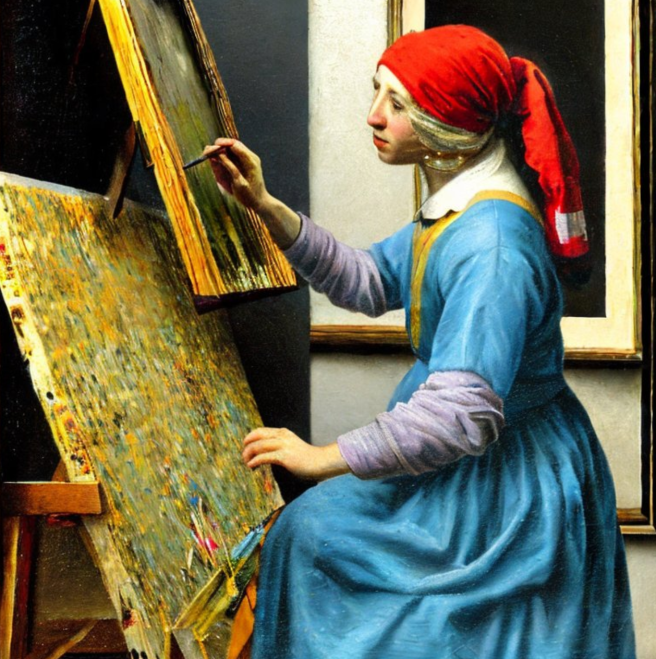
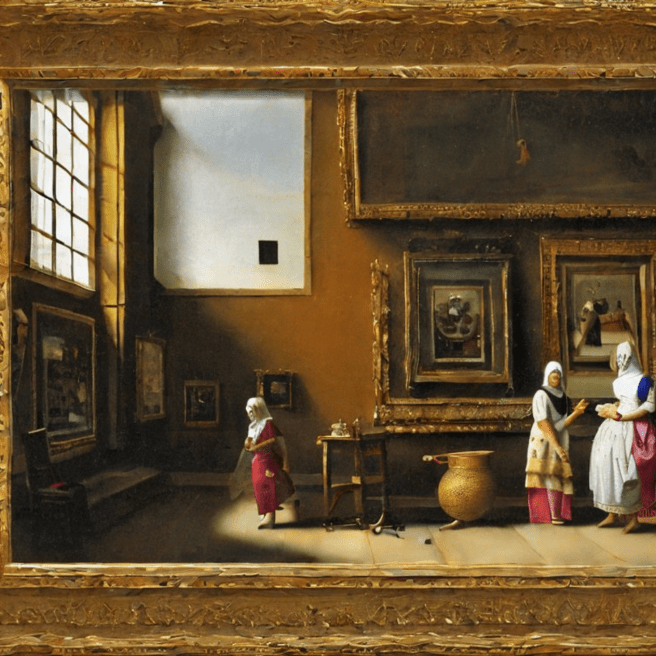
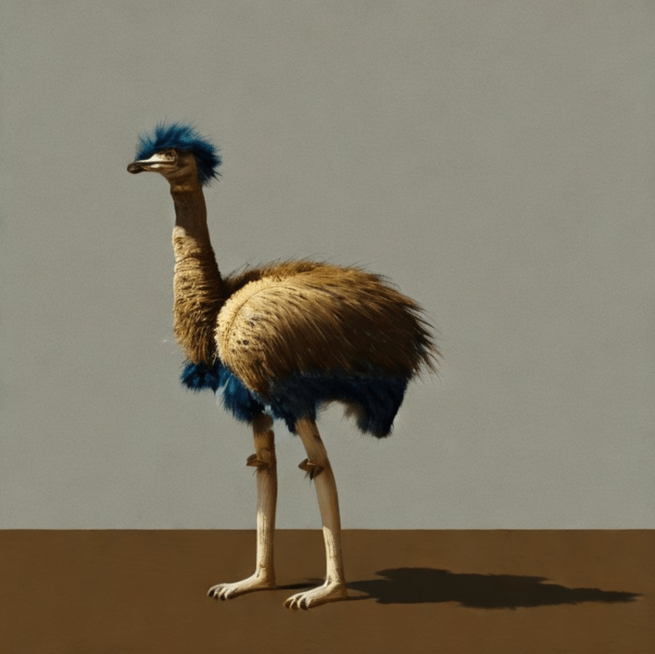
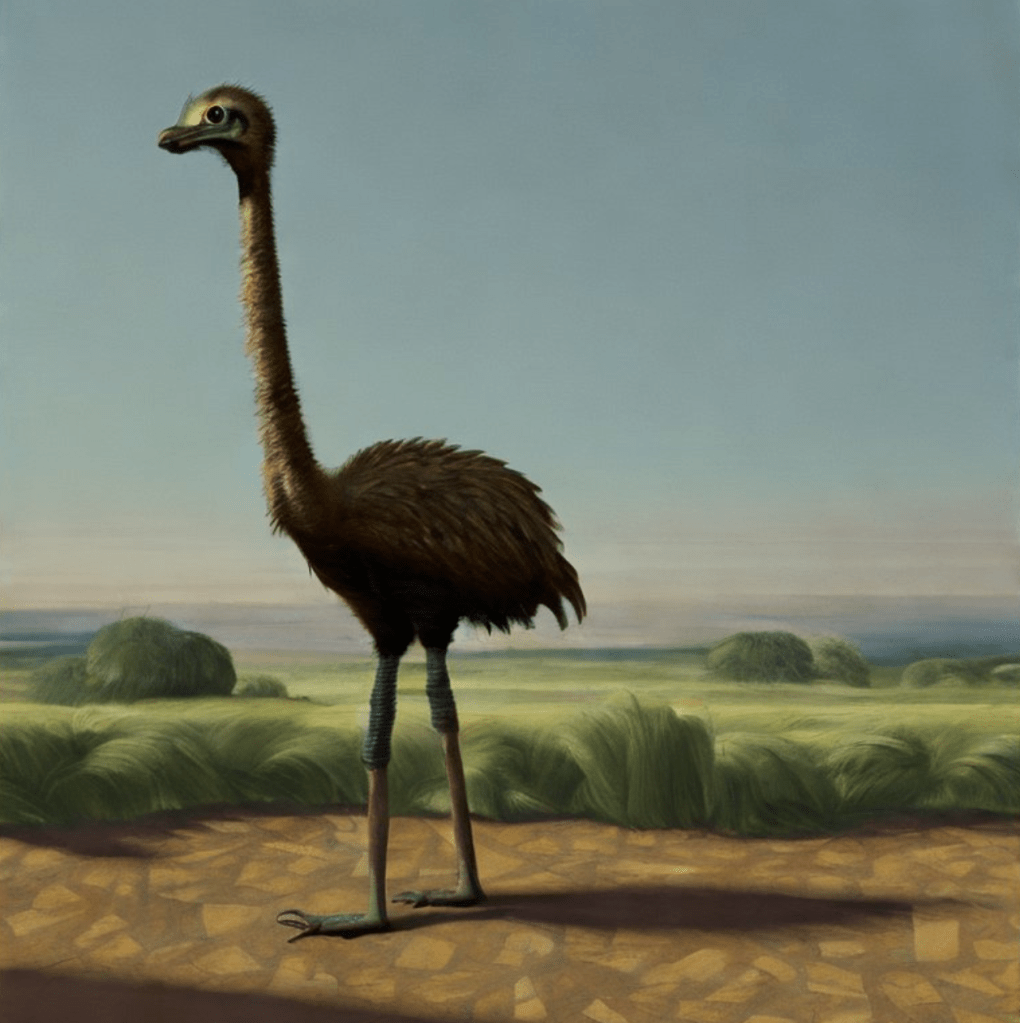
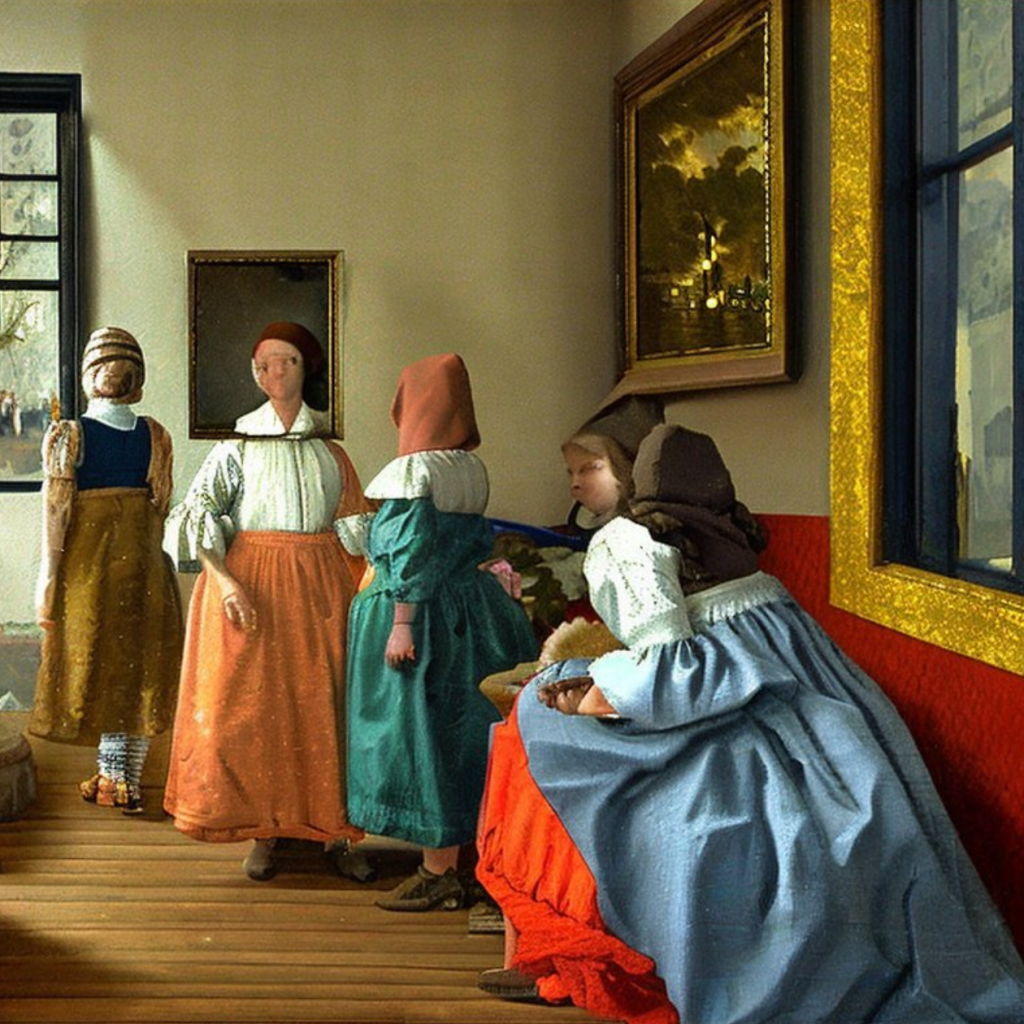
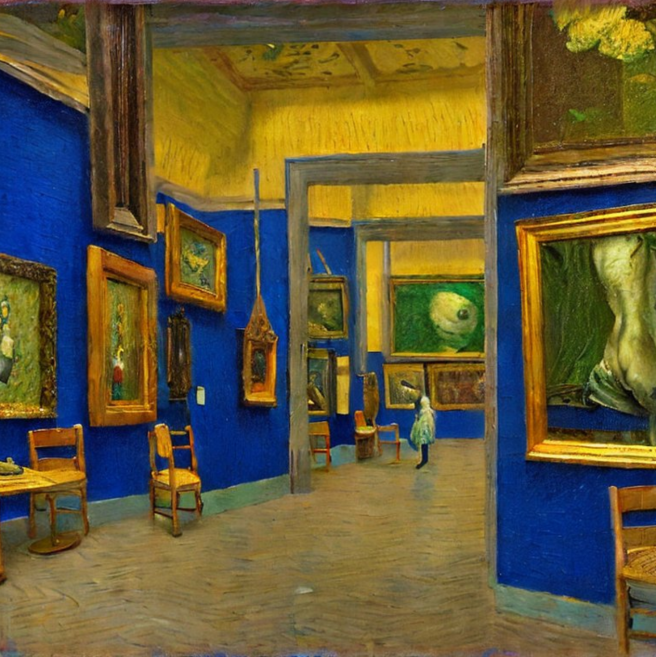
    The following collection of experiments with Stable Diffusion 2.1 are dedicated to the great Vermeer, and in celebration of his current show at the Rijksmuesum, right here in Amsterdam, where I’m sitting now. I’ve seen a lot of pretty naff’ posters, and promotional artwork for the show, the girl with the peal earring is all over the place. I wanted to print some of these out in various sizes and formats and scatter them about the exhibition. I wonder what you think about them?

    –Steve Fly.

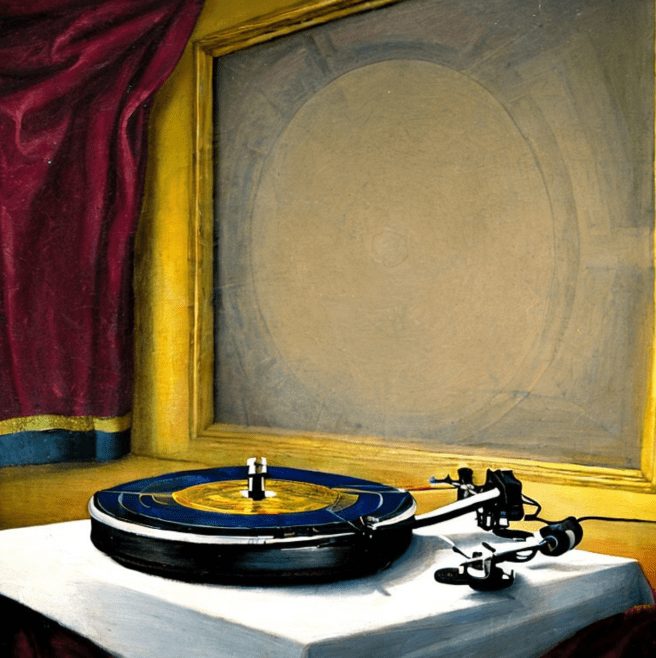
  • DALLE Mini – Deep Scratch Turntables And DJs

    DALLE Mini – Deep Scratch Turntables And DJs

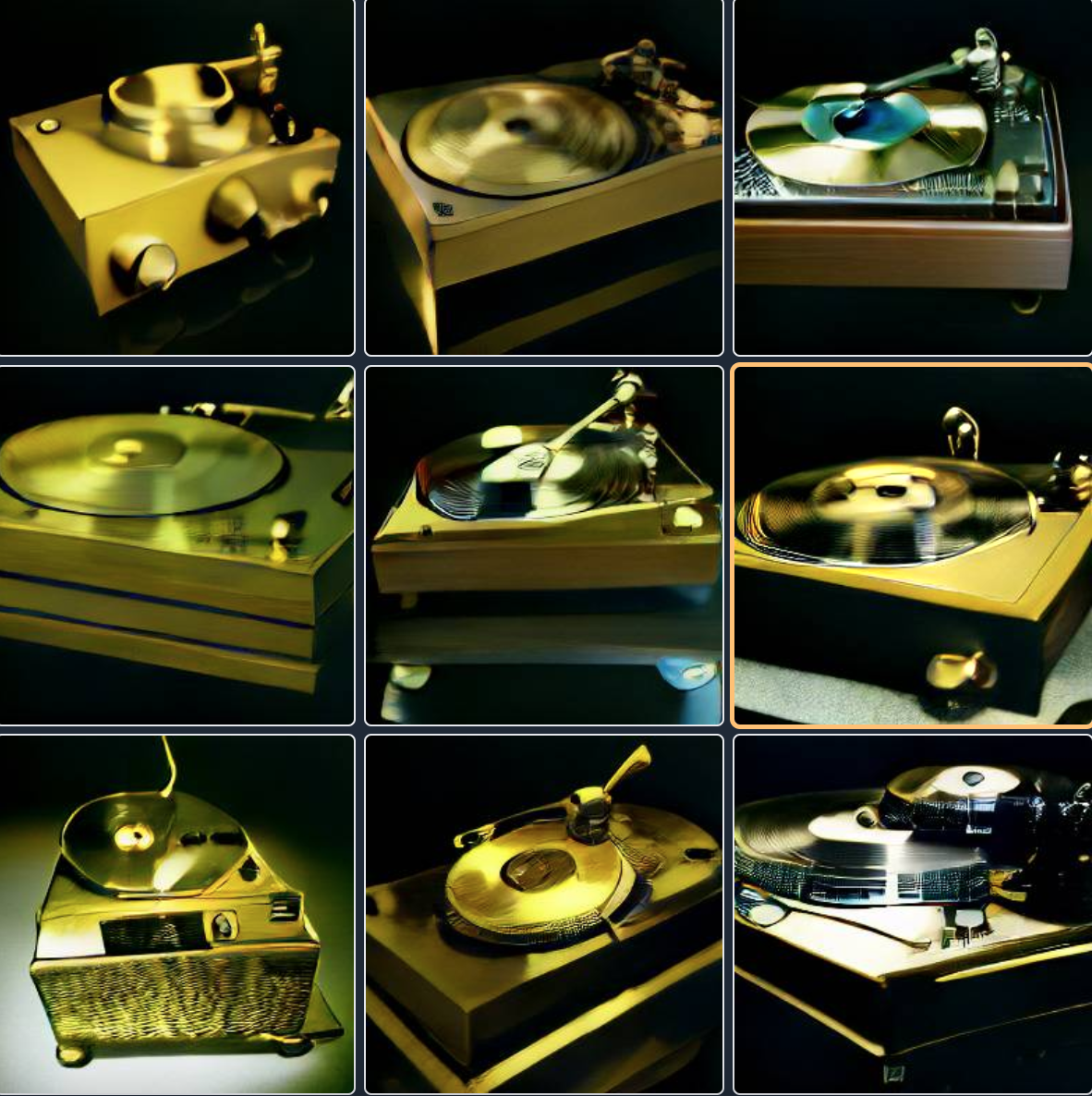
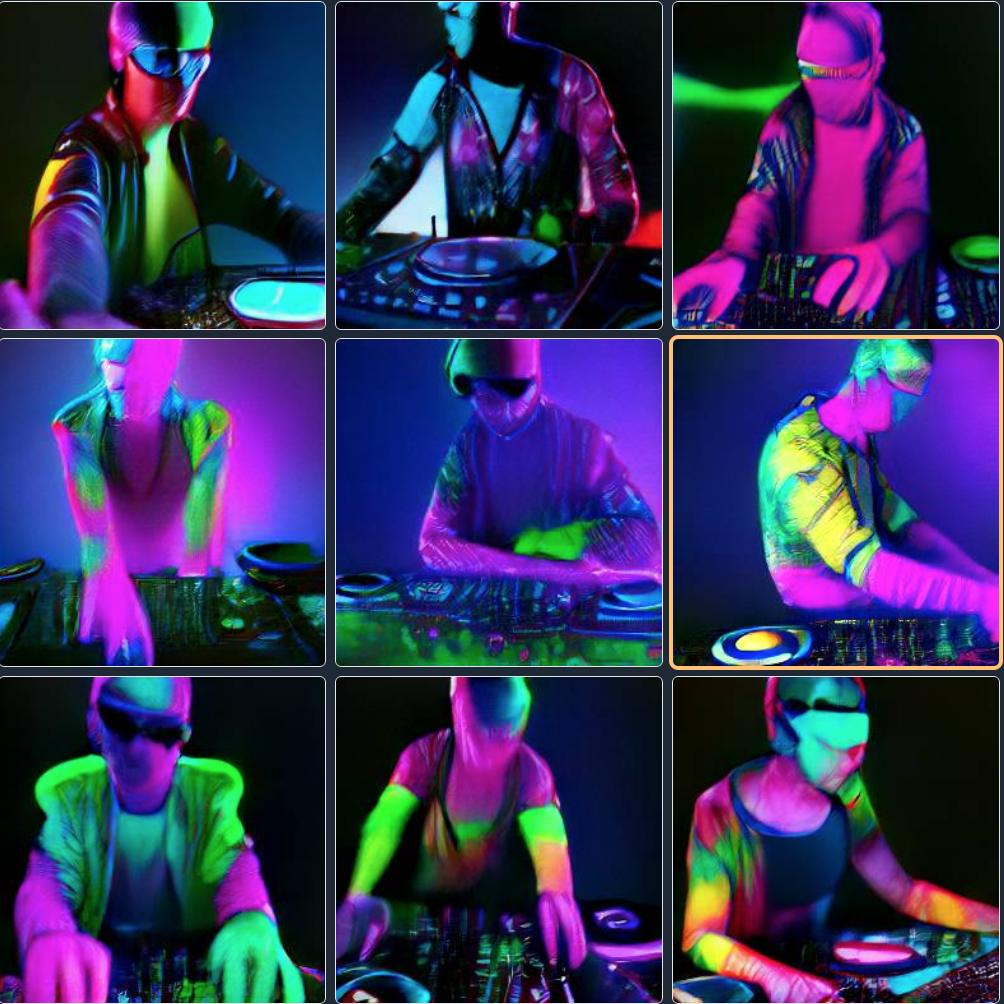
    Dalle mini is a trip I’ve been on for the last 48 hours. Here’s some of my current experiments.
    x

    https://www.patreon.com/stevefly

  • Some real fresh shit

    …what does it all mean?

    …watch out kid, watch yer’ back, keep it on point. Wobble, but come back to your center. Make it count, everything counts. All our days are numbered, and littered with the lettered. Let us play. rewind,  forward, future calling, humming your song, calling, singing, shouting you. Oi, listen, look, read, engage with me, these thoughts, those days and weeks, years flowing on, all remembered in this, the moment of come and go. A jig before the drilling, a swig before the shelling. Oh, the shelling, the mourning and the morning, the nights of sean and of shem, of Alice and Molly. All of our night if we want them, do you want it? have to be headstrong for revelations, for transformation, translation, change.

    Do you want change, or status quo? young or old, conservative or liberal, break out. Bust loose. Get out from under the boot and toot your toot. Time is running out, the sand falls, the planet spins, seasons change, birds chatter and call, bears road, crickets rub theIR lil’ legs together, wolves howl and howl, can you hear them? do you hear the calling? the pipes of old, the ocean and wind and flames and tectonic plates grinding, pushing and pulling, tidal waltz. This energy boosts the boots, to get out and walk, face the rain and cold. get up, get out, Stand, shout, dance, sing. This is the time for humans to be human and walk, talk, laugh and move. Now.

    On the island, the tension builds in cycles, resolving and catching up with each other, falling and rising together at once, hope and fear, spiralling out, truth and lies, beauty and the ugly spun into threads, moving through the dawn branches of the trees, the silhouette of a city falls away, the sun bursting through the smoke and haze, the noise of traffic lost in the music of branches, leaves, grass and bird song. The force stronger the further away one gets from the bank, the earth and soil greet the feet like royalty, the mystery builds, flowers bloom and die, fungus creeps, night and day pass, the twilight and mi-light, the Toa and the sung from the dung, the Witch elm and the sheep song, the monolith and the megalith, the stone, the page and the hieroglyph. Descending underground.

    Facing facades, haunting sleep people, shades and blotches of men, women, pets, objects, connected by a force including Tesla and Einstein. Mad scientists and visionary artists, skipping down the lanes, through the blooms and blossoms, wind in hair, hand on heart, flute and cello, oboe and turntable darting through the body, across the moors, up out the clouds, into outer space, back to the mantle, the waves, the deep sea sinkholes and as yet undiscovered caves. The arctic tundra, the desert hot songs of rivers lost to man, to the unseen pathways cut by ants and clever rodents, to the homing pigeon, dolphin sonar and tardigrade I raise my hat. Signed, sealed delivered I’m yours, most earnestly, Steven Pratt. Trumpets and French horn fade out to repeating theme. Time, love, family, action. truth beauty, health, satisfaction. Fiction, narrative, justice, language, hope, dope, divinity, clarity.

    On closing, all channels are open. International, all beings, spirits, demons, angels and entities. Land close by, I’ll see you good. No need to sweat it, take it easy, let the intuition guide the ladder and the slide, snakes, take a ride. Ups and downs all the way, left-brain, right brain let the sea sway the river bank pay. Rudderless, fearless, the boat powers on, land after land, island after island, in service of harmony, fuck the money, I want life. I want truth and heart, shared resources, good sources, well meaning folk. From every inch of this cosmic yolk, for this place I bow and give thanks, I wish I could change war tanks into fish tanks. I want to turn guns into walking sticks, bombs into gardens, chemical weapons into clean drinking water. With the help of new technology the world can evolve into an artists paradise, where goats play jazz and we visit art openings in the forest by mice.

    Oh, Akhnaton, Ankh, what Egyptian deities drift about my pipe? in the book, under the stairs, in your stares, in these tales, the psycho tempo, the stabbing and double bass violin wounds, nearly horror but then mystery and wonder, moving arpeggios, across scale, through the woods. Into the forest, out the burrow, running, away from the city, blinded by human glutton, leaping against the urban lights, darting past trunks and over barbed wire fences, sweating and striding further out toward the moon, jumping higher, as if pursued by demons with chattering teeth, always just a hair’s whisker behind, our dream hero streams away, the sun rises, the corn fields glow golden, the water can be heard trickling ahead, the birds sing a familiar song again, the pipes lead the low hero home, tuba and french horn greet the intrepid tripperdome. Resolve, dinner, kick off the slippers. Open are the double doors, stars streak in. Open, unlocked, soothing nectar dripping off the spoon. Can I lick it? let freedom reign and ring.

    Flies, can you believe it. octopi and mosses gather, in chorus. An uprising, a tidal movement. pollen on the air. Spores. Oh, my. How they do connect underground. Naturally, blooming. Continents collide, stars fizzle, we breath and find a way out. Out and over around, through, off. My head buried in natural sands of Tulum, under the water with crocodiles, away in the canopy, deaf from the relentless marching bands of New orleans, the elephants and lost rhino, oh, the damage done. Capitalism. Oh, oh, the news, the toxic opposite of just an innocent puddle, of any way out of the muddle, the murk, the constant bickering of the berserk, the loons, all knowing folk of two moons, abuse of the language,  coercion, sewing of hate, divide, the split, the shit of it all. Forget that. The bee is trying to tell me, trying to get through to my thick skull, time is tight, maybe this, maybe tonight? to wrap up, rhyme up, post up, post it. Go on. Fish my bike out the canal, save a mystery.
    –Steve Fly

    Amsterdam, 02.44 A.M. Saturday 19th May, 2018.


  • Rockers, artists pay tribute to James Joyce with massive project

    “What I found out,” says Pyle, “was that there were all these niches and subcultures — dead heads, punk rockers, out-there artists, avant-garde classical musicians, Robert Anton Wilson fans — and within their subcultures ‘Finnegans Wake’ has a lot of importance. … What I think happened was we were able to bring together a bunch of niches, people who were interesting and also supportive — that cult thing, when you’re really into something, you’re really into something. We brought together those people as both audience and contributors.”
    http://www.telegram.com/entertainmentlife/20170510/rockers-artists-pay-tribute-to-james-joyce-with-massive-project

  • Plunder or preservation? How Asian art came to U.S.

    ‘America’s involvement with China goes back to the late 18th century, when Yankee ships began to trade fur pelts and wheat (and later opium) for tea, silks and dishware. As early as 1845-1847, Boston presented the “Great Chinese Museum.”

    Harvard University trained and underwrote many early explorers of China’s cultural and archaeological heritage. The 19th century scholar Ernest Fenollosa traveled to the East, converted to Buddhism, oversaw the Oriental section at Boston’s Museum of Fine Arts and wrote an essay on the Chinese written character which inspired Ezra Pound’s translations.–http://hamptonroads.com/2015/03/plunder-or-preservation-how-asian-art-came-us

  • CHU 3D Graffiti Cube 2010

    CHU 3D GRAFFITI CUBE

    Uploaded on 25 Oct 2010:           

    OPENS 6pm, THURSDAY 28TH OCTOBER at CORDY HOUSE, CURTAIN ROAD, SHOREDITCH, EC2A 3BS. Then every Saturday & Sunday 2pm – 6pm until Sunday 14th Novemeber.

    This is a walk in one person experience. Shoes off, glasses on, step inside the 3rd dimension! (Glasses provided).

    Artwork by Chu. Cordy House by Mutate Britain.

  • The Believer interview with Alan Moore

    (Believer Magazine) BLVR: Is magic’s most authentic expression through the creative imagination?

    (Alan Moore) AM: Actually, art and magic are pretty much synonymous. I would imagine that this all goes back to the phenomenon of representation, when, in our primordial past, some genius or other actually flirted upon the winning formula of “This means that.” Whether “this” was a voice or “that” was a mark upon a dry wall or “that” was a guttural sound, it was that moment of representation. That actually transformed us from what we were into what we would be. It gave us the possibility, all of a sudden, of language. And when you have language, you can describe pictorially or verbally the strange and mystifying world that you see around you, and it’s probably not long before you also realize that, hey, you can just make stuff up. The central art of enchantment is weaving a web of words around somebody. And we would’ve noticed very early on that the words we are listening to alter our consciousness, and using the way they can transform it, take it to places we’ve never dreamed of, places that don’t exist.

    When that enchantment is the creation of gods and the creation of mythology, or the kind in the practice of magic, what I believe one is essentially doing is creating metafictions. It’s creating fictions that are so complex and so self-referential that for all practical intents and purposes they almost seem to be alive. That would be one of my definitions of what a god might be. It is a concept that has become so complex, sophisticated, and so self-referential that it appears to be aware of itself. We can’t say that it definitely is aware of itself, but then again we can’t really say that about even our fellow human beings.–http://www.believermag.com/issues/201306/?read=interview_moore

    Alan Moore reads from ‘Masks of the Illuminati’ by Robert Anton Wilson