Category: semiotic machines

  • Wormear: The Amsterdam Kollection 2023

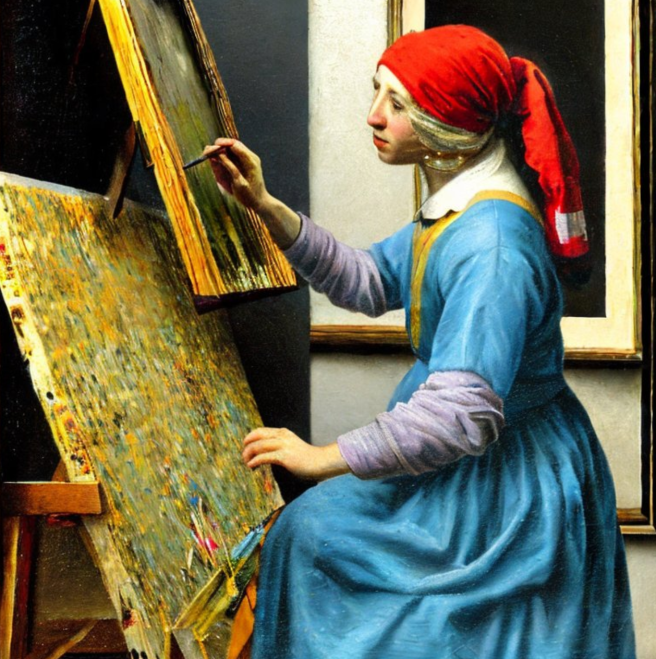
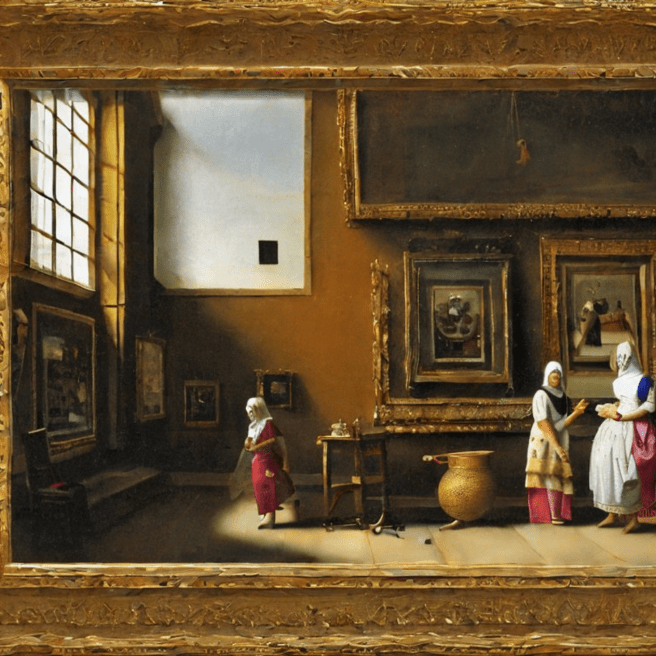
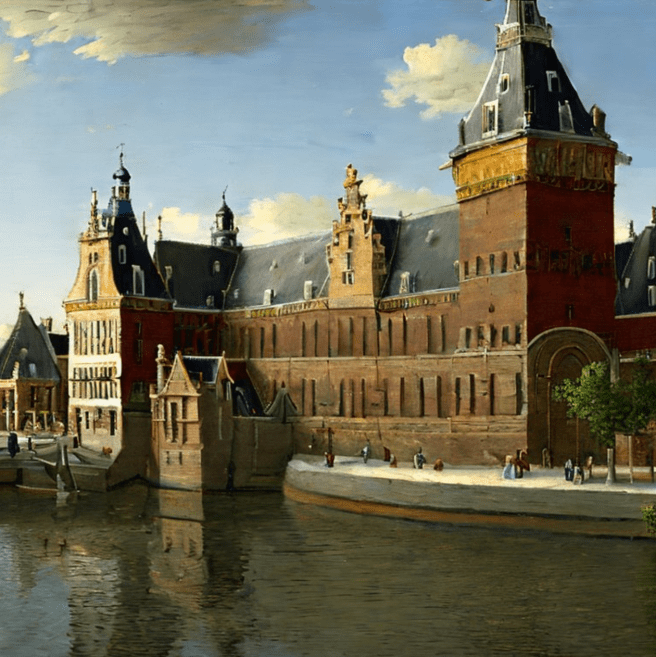
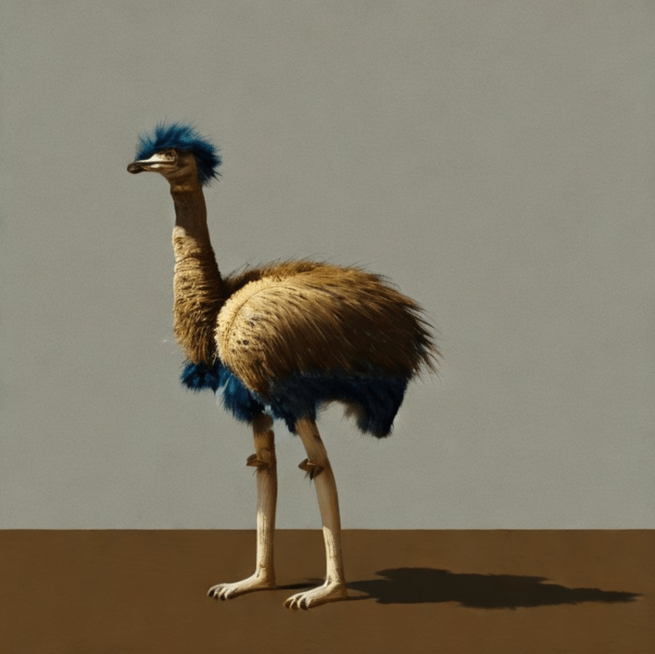
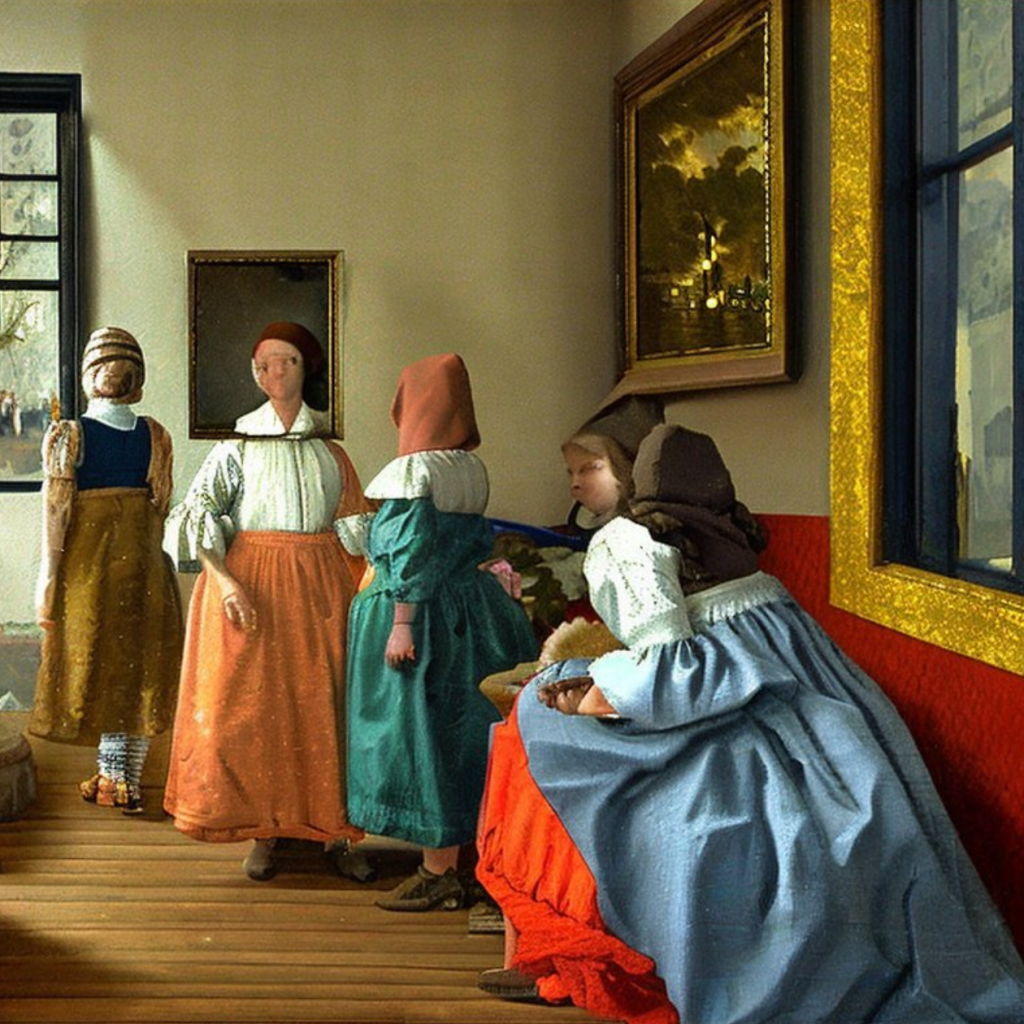
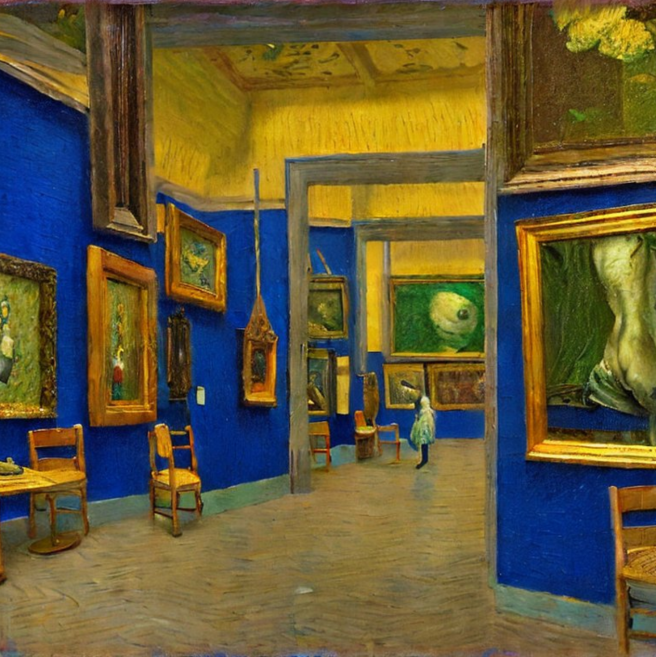
    The following collection of experiments with Stable Diffusion 2.1 are dedicated to the great Vermeer, and in celebration of his current show at the Rijksmuesum, right here in Amsterdam, where I’m sitting now. I’ve seen a lot of pretty naff’ posters, and promotional artwork for the show, the girl with the peal earring is all over the place. I wanted to print some of these out in various sizes and formats and scatter them about the exhibition. I wonder what you think about them?

    –Steve Fly.
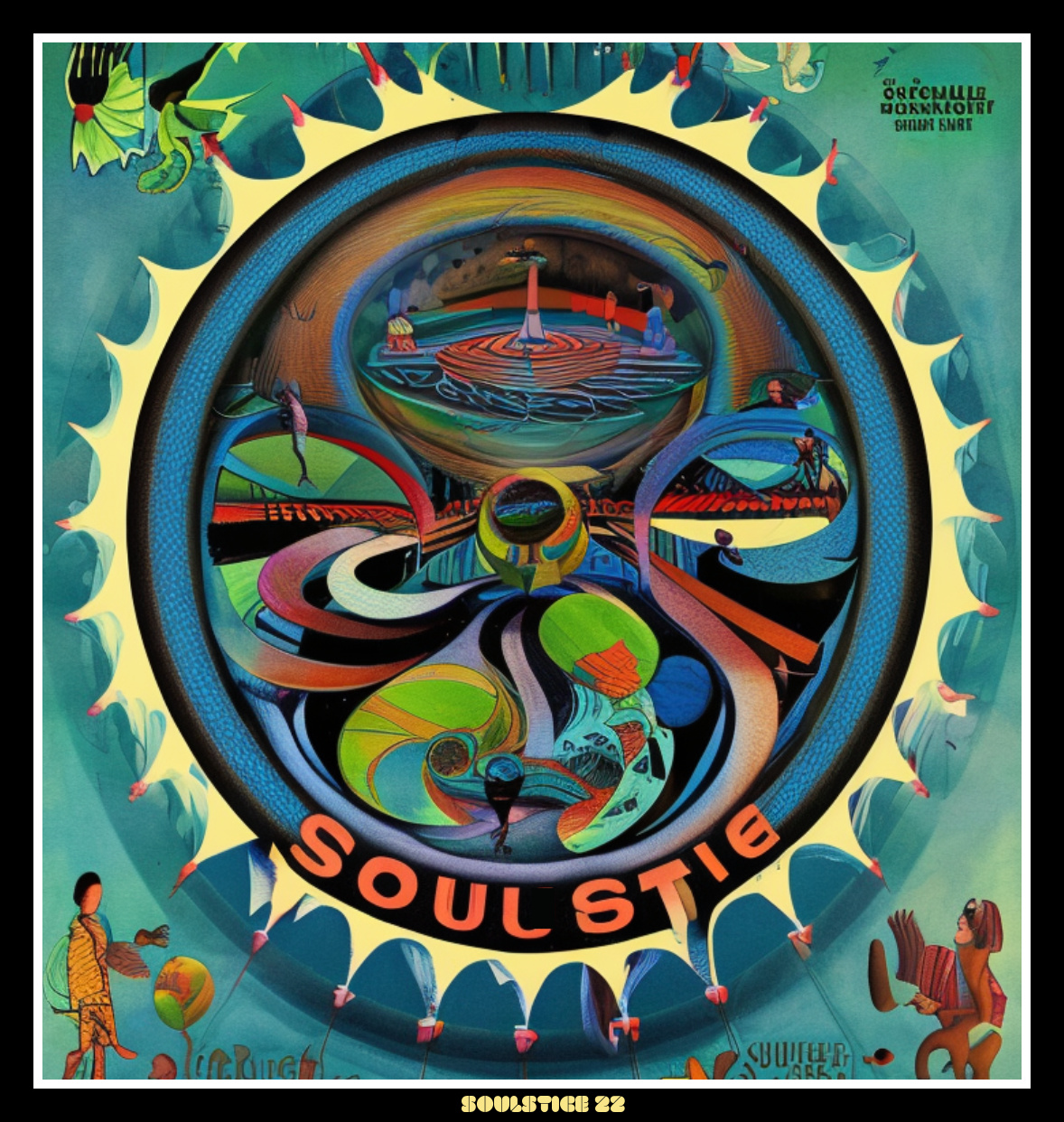
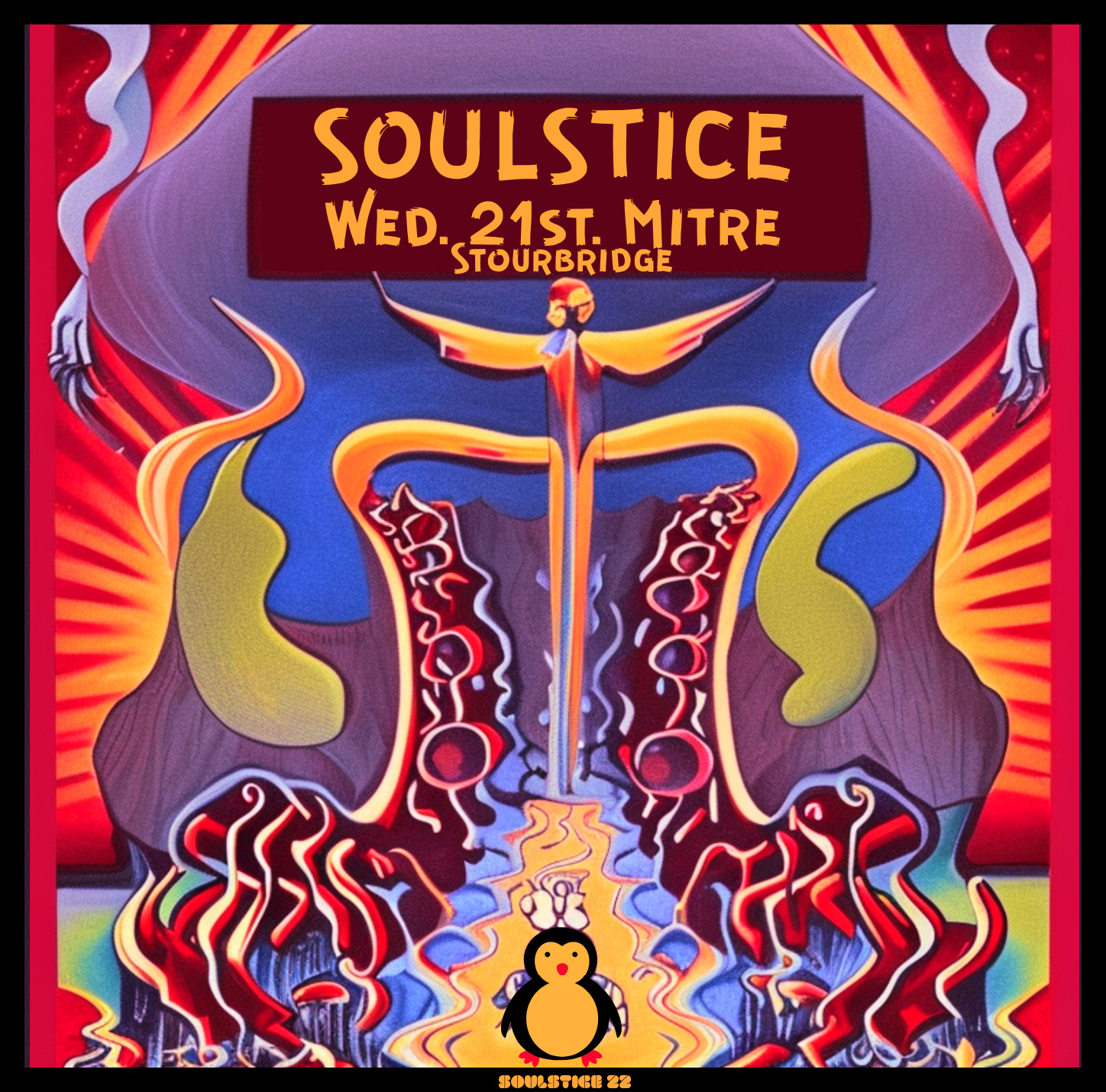
  • Soulstice 22 With Stable Diffusion

    Since my previous post Felt Against The Machine, the text to image weak A.I.’s have made a large dent in the culture of art and creativity, the philosophy of art…what is good, what IS art? What is bad? Who can answer these questions.

    This latest series, which I helped birth in some sense, I put some effort into editing them slightly, framing them, naming them, but not really claiming them (these are collaborative generative waltz’s) in celebration of the Winter Solstice 2022. Enjoy. Wishing you a merry Solstice.

    –Steve Fly

  • SEMIOTIC MACHINES: by Louis Armand (Joyce, McLuhan, Shannon, Weiner, Von Neumann)

    SEMIOTIC MACHINES: by Louis Armand (Joyce, McLuhan, Shannon, Weiner, Von Neumann)

    SEMIOTIC MACHINES: by Louis Armand, presents a number of passages that see James Joyce, McLuhan, Shannon, Weiner, Von Neumann, criss-crossing and pollinating the tale of the tribe with a Joycean, atomic, digital glossing. Also invoking Orson Welles through the reference to expanded cinema of Gene Yougblood, this essay exhibits the highest standards of critical writing on Joyce IMHO, and in the kind of prose i would like to see utilized to help explicate the questions of the tale of the tribe as defined by Robert Anton Wilson, Ezra Pound, Buckminster Fuller, and Joyce.–Steve fly

    Above all, the importance of Joyce for McLuhan resides in the decisive role of Finnegans Wake in re-defining the late stages of print culture and the advent of digiculture (the so-called “postmodern moment”). In this sense, Joyce’s text assumes a pre-eminent status among the agents and historians of late modernity—among them John von Neumann, Norbert Wiener, Claude Shannon, Lewis Mumford and Siegfried Giedion—and, along with the Mallarméan critique of the book and Marcel Duchamp’s satirisation of mechanical rationalism, the Wake becomes something of a benchmark in the early discourse of cyberspace.

    Joyce’s technique of “verbivocovisual presentement”(5)—reprising the symbolist preoccupation with effects of synaesthesia—bears directly upon the conceptualisation of virtual reality and emersive signifying environments. Gene Youngblood’s Expanded Cinema (1970?), which proposes the integration of computing technology and other forms of telecommunications for the synaesthetic and syncretistic expansion of film, is heavily indebted to McLuhan’s reading of Finnegans Wake in Understanding Media (1964) and The Gutenberg Galaxy (1962). “The stripping of the senses and the interruption of their interplay in tactile synaesthesia,” McLuhan writes, “may well have been one of the effects of the Gutenberg technology”—of which Finnegans Wake is considered a kind of apotheosis.(6)

    http://hjs.ff.cuni.cz/archives/v8/main/essays.php?essay=armand